
Common Homeowners’ Insurance Mistakes
Risk ManagementWith the recent wildfires and other natural disasters making headlines, homeowners’ insurance is top of mind for many. Ensuring your home and belongings are adequately protected with the right insurance coverage is crucial. However, many homeowners make mistakes that can lead to insufficient coverage or unexpected expenses. Here are some of the common pitfalls and how you might avoid them.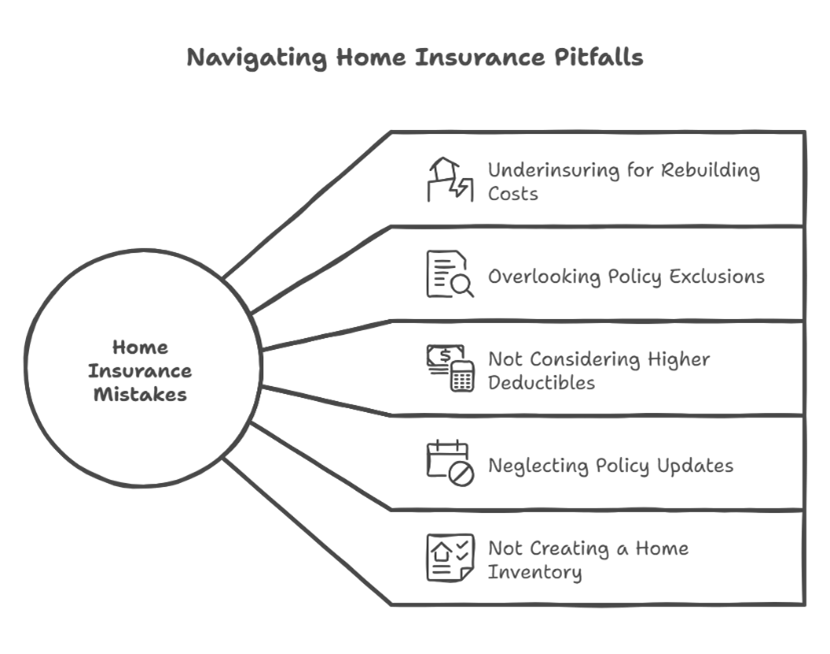
1. Underinsuring Your Home for Increased Rebuilding Costs
The Mistake: Many homeowners fail to update their dwelling coverage - the portion of their homeowners’ insurance that pays to rebuild the structure of their home after a covered loss. Instead, they often rely on outdated rebuilding estimates that don’t reflect current construction costs.
Why It's a Problem: Construction costs have surged in recent years due to inflation, supply chain disruptions, and labor shortages. If your dwelling coverage limit is too low, you may not receive enough to fully rebuild after a disaster. It's important to insure your home based on its replacement cost, not its market value.
Solution: Regularly review your homeowners insurance policy and ensure your dwelling coverage is updated to reflect current rebuilding costs. Work with your insurer to verify that your policy includes replacement cost coverage rather than just actual cash value, which factors in depreciation. This ensures you have enough coverage to fully rebuild your home at today’s construction prices.
2. Overlooking Policy Exclusions
The Mistake: Assuming that a standard homeowners insurance policy covers all potential damages.
Why It's a Problem: Standard policies often exclude specific types of damage, such as those caused by earthquakes or floods. If an earthquake damages your home and you don’t have separate coverage, you could be left with substantial repair costs. If you're unaware of these exclusions, you think you are well covered when you are not.
Solution: Review your policy to understand what's covered and what's not. For excluded perils that pose a risk in your area, consider purchasing additional coverage or endorsements. You might consider obtaining separate earthquake insurance if you have substantial equity in your home.
3. Not Considering a Higher Deductible to Save on Premiums
The Mistake: Many homeowners choose a low deductible, thinking it will make claims easier, but this often results in higher premiums and unnecessary costs.
Why It's a Problem: Low deductibles increase your premium, resulting in higher ongoing costs.
Homeowners rarely file claims for minor damages (under $3,000) since it could impact future premiums. Paying for small repairs out-of-pocket while maintaining a higher deductible can significantly reduce insurance costs.
Solution: Look into the cost savings of a higher deductible with the expectation that you may have to cover the occasional small claim on your own. Your lower monthly premiums could save you insurance dollars over time while ensuring you are covered there for major losses.
4. Neglecting to Update Your Policy After Home Improvements
The Mistake: Failing to inform your insurer about significant home renovations or purchases.
Why It's a Problem: Home improvements, like adding a new room or upgrading your kitchen, can increase your home's value. If your policy isn't updated to reflect these changes, you might be underinsured.
Solution: After any major renovation or purchase, notify your insurance agent to adjust your coverage accordingly. This ensures that your policy accurately reflects your home's current value and contents.
5. Not Creating a Home Inventory
The Mistake: Many homeowners fail to keep an updated home inventory, which can lead to difficulties when filing claims after theft, fire, or other disasters.
Why It's a Problem: Without a comprehensive home inventory, you may struggle to prove ownership of valuable items, leading to lower claim reimbursements or disputes with your insurer.
Solution: Create a detailed home inventory by documenting your belongings with photos, videos, and receipts. Store this information digitally or in a safe place to ensure you can access it when needed.
It’s important to be aware of these common mistakes and take proactive steps to address them. If you do, you can ensure that your homeowners insurance provides comprehensive protection for your valuable investment. Regularly reviewing and updating your policy, understanding its terms, and working closely with a knowledgeable insurance agent are key to maintaining adequate coverage.